
Have you recently been diagnosed with gum disease? Chances are you have many questions about treatment. At Strongsville Smile Keepers in Strongsville, Ohio, we offer multiple options for periodontal disease treatment. One of the most effective is scaling and root planing, sometimes referred to as a deep cleaning. Here are some questions Dr. Matt Gaebelein and our team are often asked about scaling and root planing treatment.
What is scaling and root planing?
Scaling and root planing treats periodontal disease, a serious gum infection that can lead to losing natural teeth. Dr. Gaebelein may recommend this treatment if you have extensive plaque or tartar buildup under the gum line of your teeth.
What happens during a scaling and root planing procedure?
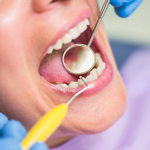
The act of scaling and root planing involves eliminating all traces of plaque and tartar from your teeth. For root planing, our hygienist will remove all tartar above and below your gum tissue, creating a smooth root surface which will prevent plaque from gathering there again. This will help to reduce the pockets that form between the gum and tooth by allowing your gums to reattach to your tooth roots, keeping your teeth from coming loose.
How do scaling and root planing differ from routine cleaning?
Routine cleaning removes plaque and tartar at and just below the gumline of your teeth to prevent gum disease. Scaling and root planing focuses on plaque and tartar buildup below the gumline into the periodontal pockets to treat gum disease. Deep cleaning treatment may take several appointments to complete. Our hygienists will clean your pearly whites in quadrants, two per visit, to ensure no plaque or tartar remains on your teeth.
When is deep cleaning necessary?
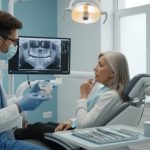
If you have deep periodontal pockets or show signs of periodontal disease, Dr. Gaebelein and our hygienists will recommend scaling and root planing to restore your tooth and gum health. Gum disease symptoms include swollen, tender gums, bleeding gums, painful chewing, receding gums, and loose teeth. Left unchecked, periodontal infections can cause bone loss that leads to the loss of permanent teeth. We’ll take x-rays before your procedure to see if the infection has damaged the bone structure of your teeth.
Does scaling and root planing hurt?
As this procedure could cause discomfort and pain, we’ll numb your mouth for your treatment. If your gums feel sore or tender after the anesthesia wears off, you can take OTC pain medication to relieve these symptoms.